
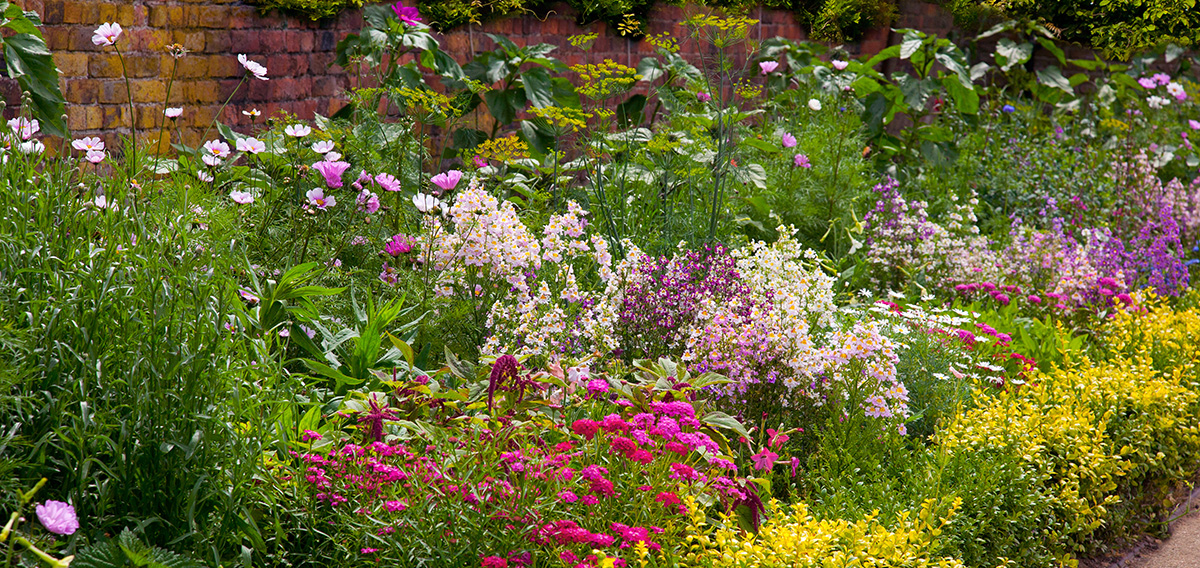
Mushroom mulch compost, often referred to as spent mushroom compost, is an organic soil conditioner produced as a by-product of commercial mushroom cultivation. After mushrooms have been grown in a specially prepared compost substrate, the remaining material – rich in organic matter and nutrients – can be reused in gardens as a mulch or soil improver.
Gardeners value mushroom mulch compost for its ability to improve soil structure, increase water retention and gradually release nutrients into the soil. It is particularly useful in vegetable beds, ornamental borders and around trees and shrubs where maintaining soil health is important.
Although it originates from mushroom production, the finished material functions primarily as a soil-conditioning compost rather than a fertiliser. Its benefits come from improving the biological and physical qualities of soil rather than delivering large quantities of nutrients in a single application.
How mushroom mulch compost is produced
Commercial mushroom growers cultivate mushrooms in a carefully prepared growing medium. This substrate is typically made from materials such as straw, horse or poultry manure, gypsum and other organic components that support fungal growth.
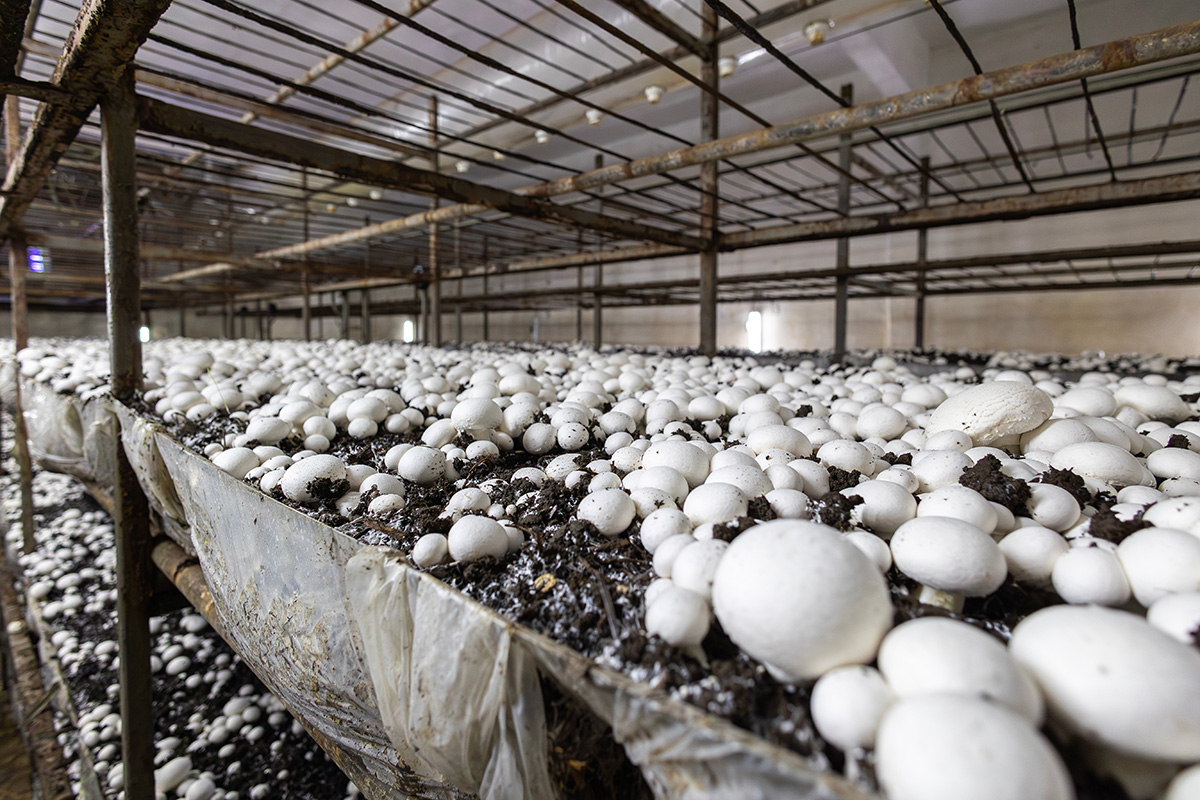
During the mushroom growing cycle, the fungi consume some of the nutrients in this compost. Once the crop has finished producing mushrooms, the remaining material still contains a substantial amount of organic matter. At this stage it is removed from the growing houses and allowed to mature further.
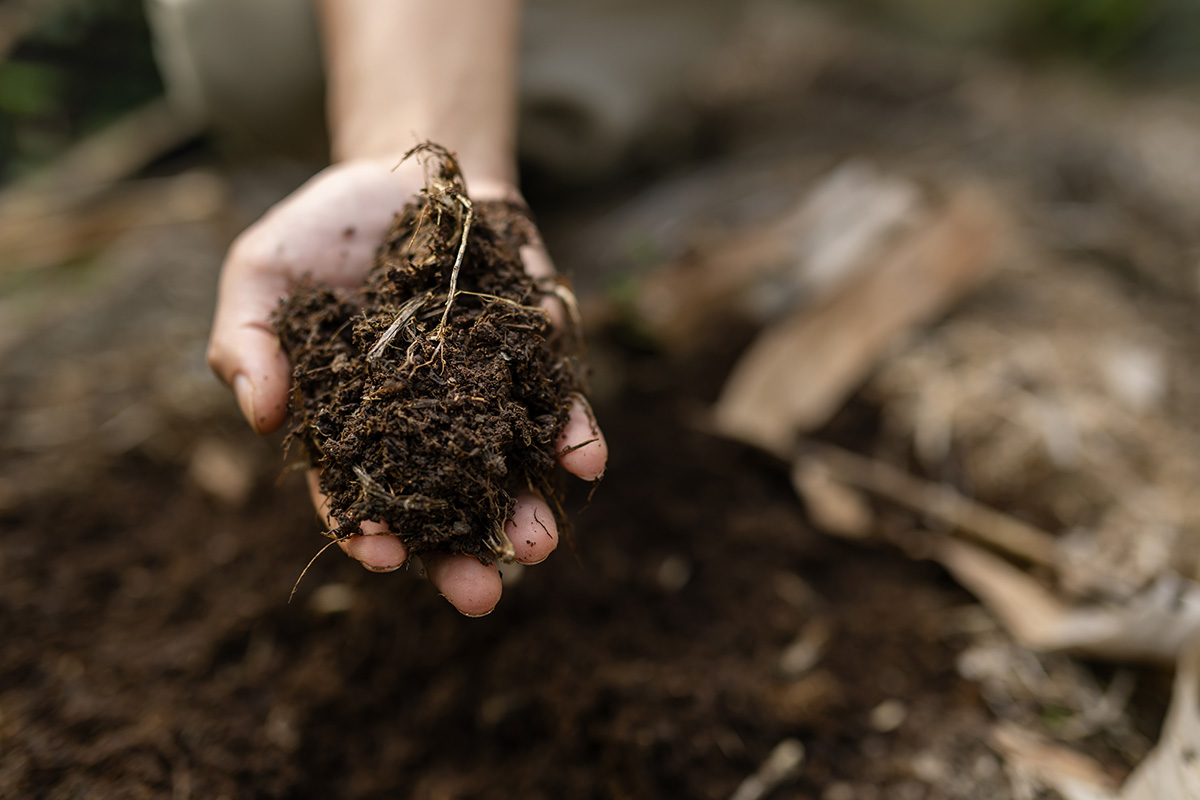
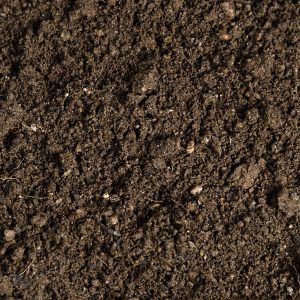
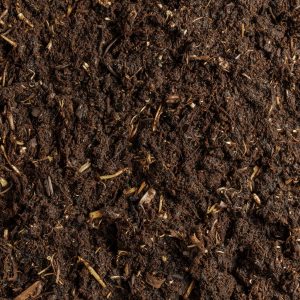
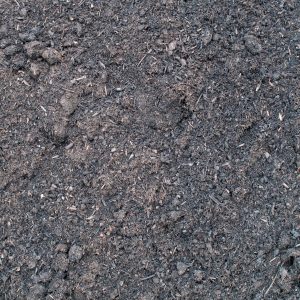
The result is a dark, friable compost with a well-broken-down texture that can be used in gardens. Because the original ingredients are organic and have already undergone an intense composting process during mushroom cultivation, the finished material is generally stable and easy to handle.
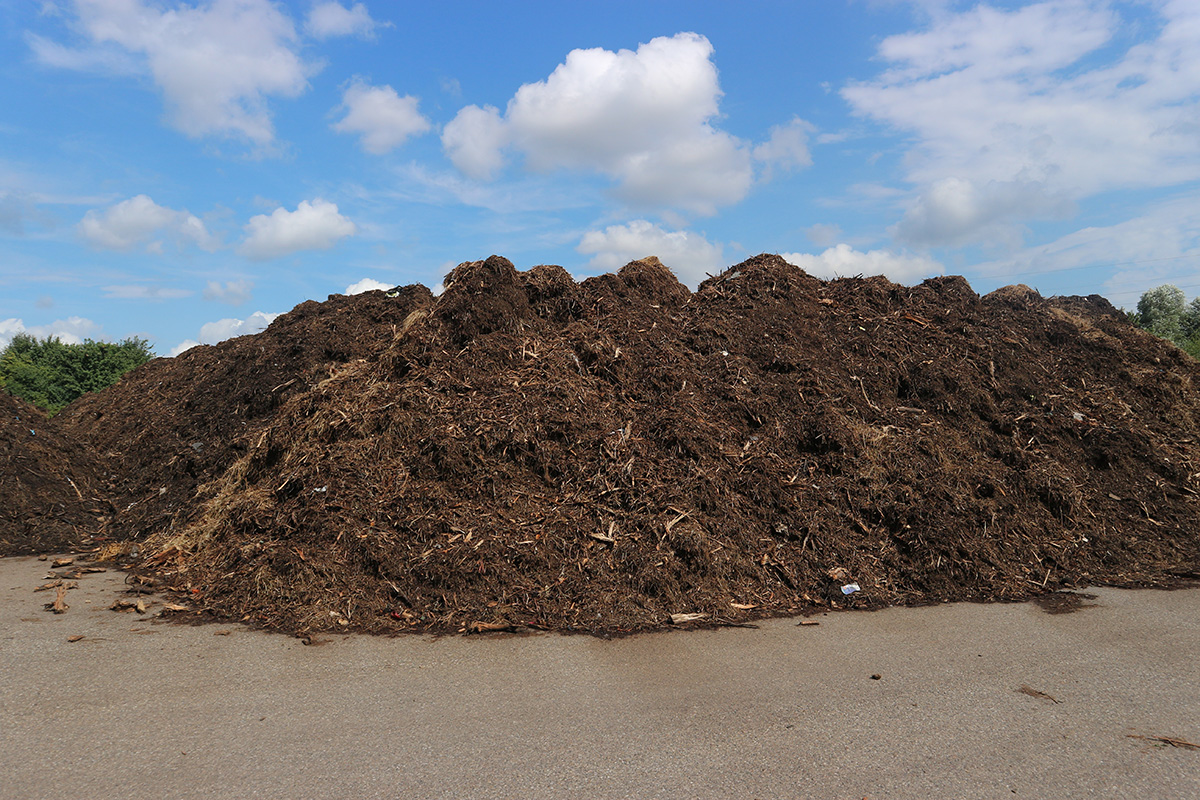
The compost is then screened and distributed for horticultural use as a mulch or soil improver.
What makes mushroom mulch compost useful in the garden
One of the main reasons gardeners use mushroom mulch compost is its ability to improve soil structure. Many garden soils – particularly heavy clay or very sandy soils – benefit from additional organic matter.
When incorporated into soil, the compost helps:
- Increase soil aeration
- Improve drainage in heavy soils
- Improve moisture retention in lighter soils
- Encourage beneficial microbial activity
Over time, these changes lead to healthier soil that is easier for plant roots to penetrate.
Another advantage is its slow nutrient release. Rather than delivering a strong fertiliser effect immediately, mushroom mulch compost gradually contributes nutrients as the organic matter continues to break down in the soil. This makes it particularly suitable for general soil improvement rather than targeted feeding.
Using mushroom mulch compost as a mulch
One of the most common ways to use this material is as a surface mulch.
A mulch layer helps protect soil from weather extremes, suppress weeds and conserve moisture during dry periods. Mushroom mulch compost performs this function well because its texture forms a dense but breathable layer on the soil surface.
To use it as a mulch:
- Spread the compost over the soil surface at a depth of around 5 – 8cm.
- Leave a small gap around the stems of plants to prevent excess moisture against the plant base.
- Allow the mulch to gradually break down into the soil over time.
As it decomposes, it continues to enrich the soil beneath the surface.
Mulching is particularly beneficial around shrubs, roses, fruit trees and perennial borders.
Incorporating mushroom mulch compost into soil
The compost can also be dug or mixed into soil before planting.
This approach is often used when preparing new planting beds or improving poor soil. Incorporating the compost into the top layer of soil adds organic matter throughout the root zone rather than only on the surface.
A typical approach is to mix a layer of compost into the top 15 – 20cm of soil. This can significantly improve the soil’s physical structure, making it easier to cultivate and more supportive of plant growth.
Vegetable beds, raised beds and new borders often benefit from this type of soil improvement.
Is mushroom mulch compost suitable for all plants?
In most gardens, mushroom mulch compost is suitable for a wide range of plants including:
- Vegetables
- Roses
- Perennial flowers
- Shrubs
- Fruit trees
However, there are a few situations where gardeners should use it more cautiously.
Because the compost originates from manure-based materials, it may contain moderate levels of soluble salts. For most garden plants this is not a problem, but very sensitive plants – particularly seedlings or salt-sensitive species – may benefit from allowing the compost to weather slightly before use.
Plants that prefer very acidic soil conditions, such as blueberries, rhododendrons or azaleas, may also prefer other soil conditioners. Mushroom mulch compost tends to be close to neutral in pH, which suits the majority of garden plants but not those that require strongly acidic soil.
Benefits for soil health
Beyond its immediate gardening uses, mushroom mulch compost contributes to long-term soil health.
Healthy soil contains a complex ecosystem of microorganisms, fungi and invertebrates that break down organic matter and cycle nutrients. Adding compost provides food and habitat for these organisms, encouraging a more biologically active soil environment.
Improved soil biology supports plant growth in several ways:
- Enhanced nutrient availability
- Improved soil aggregation
- Better resistance to compaction
- Greater resilience during drought or heavy rainfall
For gardeners focused on building sustainable soil fertility, organic materials such as mushroom mulch compost are a valuable addition.
How it differs from standard garden compost
Although mushroom mulch compost shares many qualities with ordinary compost, it differs in several respects.
First, it originates from a specialised agricultural process rather than typical garden waste composting. The base materials used in mushroom cultivation create a compost that is often finer in texture and richer in organic matter than some municipal composts.
Second, the composting process involved in mushroom production is highly controlled. This produces a consistent and stable material suitable for horticultural use.
For gardeners, the result is a reliable soil conditioner that is easy to spread and integrate into existing beds.
Where it fits in a garden soil strategy
For most gardens, mushroom mulch compost works best as part of a broader approach to soil improvement.
Combining different organic materials – such as bark mulch, leaf mould and garden compost – helps build diverse soil structure and microbial life. Mushroom mulch compost can play a central role in this process because of its balanced composition and ease of use.
It is particularly useful when:
- Establishing new planting beds
- Improving heavy or compacted soils
- Maintaining organic matter levels in vegetable gardens
- Mulching around established plants
A practical and sustainable soil improver
Mushroom mulch compost is a practical way to recycle organic material from agriculture while improving garden soil at the same time. Its combination of organic matter, stable texture and gradual nutrient release makes it a versatile addition to many types of planting schemes.
Whether used as a mulch, incorporated into soil or applied as part of regular garden maintenance, it helps build healthier soil over time. For gardeners interested in long-term soil improvement rather than short-term fertilisation, it is an effective and widely used organic amendment.
At Greenvale we supply large 750ltr cube bags of high-quality mushroom compost to customers throughout the North West region.
If you have any questions about our compost products or need help placing an order, don’t hesitate to get in touch.